
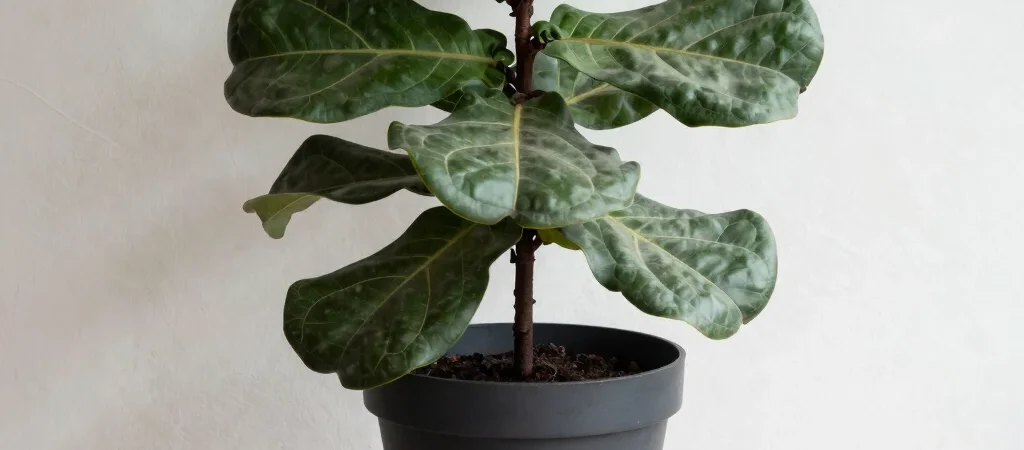
Watching a favorite houseplant droop or drop yellowing leaves can feel discouraging, but most plant issues stem from simple environmental missteps rather than permanent damage. Before you give up on that houseplant, check these three common lighting and watering mistakes that disrupt healthy growth. With a calm diagnostic routine, you can usually restore your indoor greenery using supplies you already have around the home.
Diagnose Moisture and Soil Drainage First
Overwatering is the single most common cause of houseplant distress in apartment environments. Squeeze a handful of topsoil or insert a wooden chopstick deep into the pot to check moisture levels at the root line. If the soil remains soaked days after watering, gently loosen the pot and replace compacted dirt with a well-draining potting mixture.
Evaluate Sunlight Exposure and Seasonal Shifts
Sunlight requirements change significantly as the seasons shift, especially in urban apartments with limited window orientations. A plant that thrived in bright indirect light during summer may struggle when winter days shorten. Move pale or leggy plants closer to east-facing windows, or filter harsh afternoon sun with sheer cotton curtains.
Prune Selectively to Restore Healthy Growth
Removing dead or severely yellowed foliage helps the plant redirect vital nutrients toward new shoots. Use clean shears to snip damaged leaves right near the base of the stem. A lighter foliage load reduces stress while the root system recovers and establishes fresh growth patterns.